Health Notes: Autumnal hair shedding and what to do
The silver birch on my lawn is dropping its leaves and it’s pretty likely my hair will shed too, warns trichologist Anabel Kingsley, whose new book Haircare: The Ultimate Guide, is out this week (see below for cover). If you recognise the name, Anabel is the hugely knowledgeable daughter of late hair hero Philip Kingsley and she’s now leading Philip Kingsley Trichological Services.
You might not be counting but, supposing you do, you could find about 50 to 100 hairs on your hairbrush, pillow or in the shower drain in a normal day. At the peak of autumnal hair shedding, this could double – so, 100 to 200.
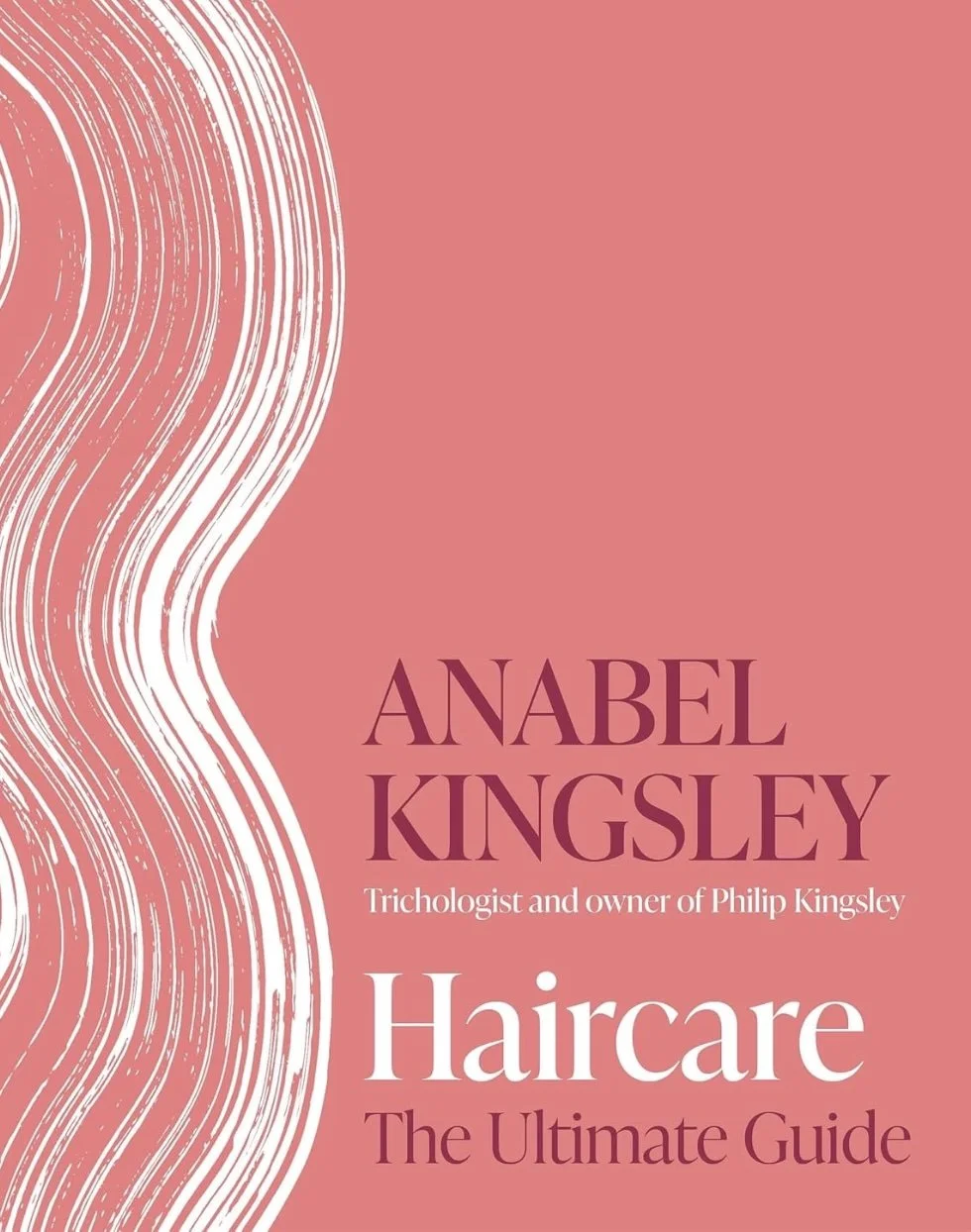
Autumn hair shedding is probably related to the shorter days – moulting, in other words, just like all mammals tend to do. During the long summer days from May to July, more hairs tend to go into the resting telogen stage and then shed about three months later through September and October, possibly into November; a stage that will last about six to eight weeks.
Also, after this record-breaking hot summer, it won’t help that hair (particularly coloured or processed) tends to have got uber-parched.
Before you fret, losing even 200 hairs a day won’t make you look bald; it’s only about 2% of all your hair follicles. However, if you do have bald patches, scalp pain or heavy shedding that lasts more than three months, talk to your GP or consult a trichologist like Anabel or a dermatologist with experience of hair loss.
But most of s can help restore our mops to shining health with Anabel’s tips:
Look after your scalp. Scalp health is essential to healthy hair growth so give your scalp the same TLC as the skin on your face. Cleanse and condition regularly and if you have a scalp condition, like dandruff, treat it with targeted daily topicals.
Your scalp is your hair’s support system and the bedrock of your hair follicles. Numerous studies have shown that a flaky, inflamed scalp can lead to hair loss. Poor scalp health can also negatively impact the strength of hairs as they emerge from the follicle.
Hair condition. Treat your hair with care: if the strands are breaking, they won’t grow properly and also get thinner. So:
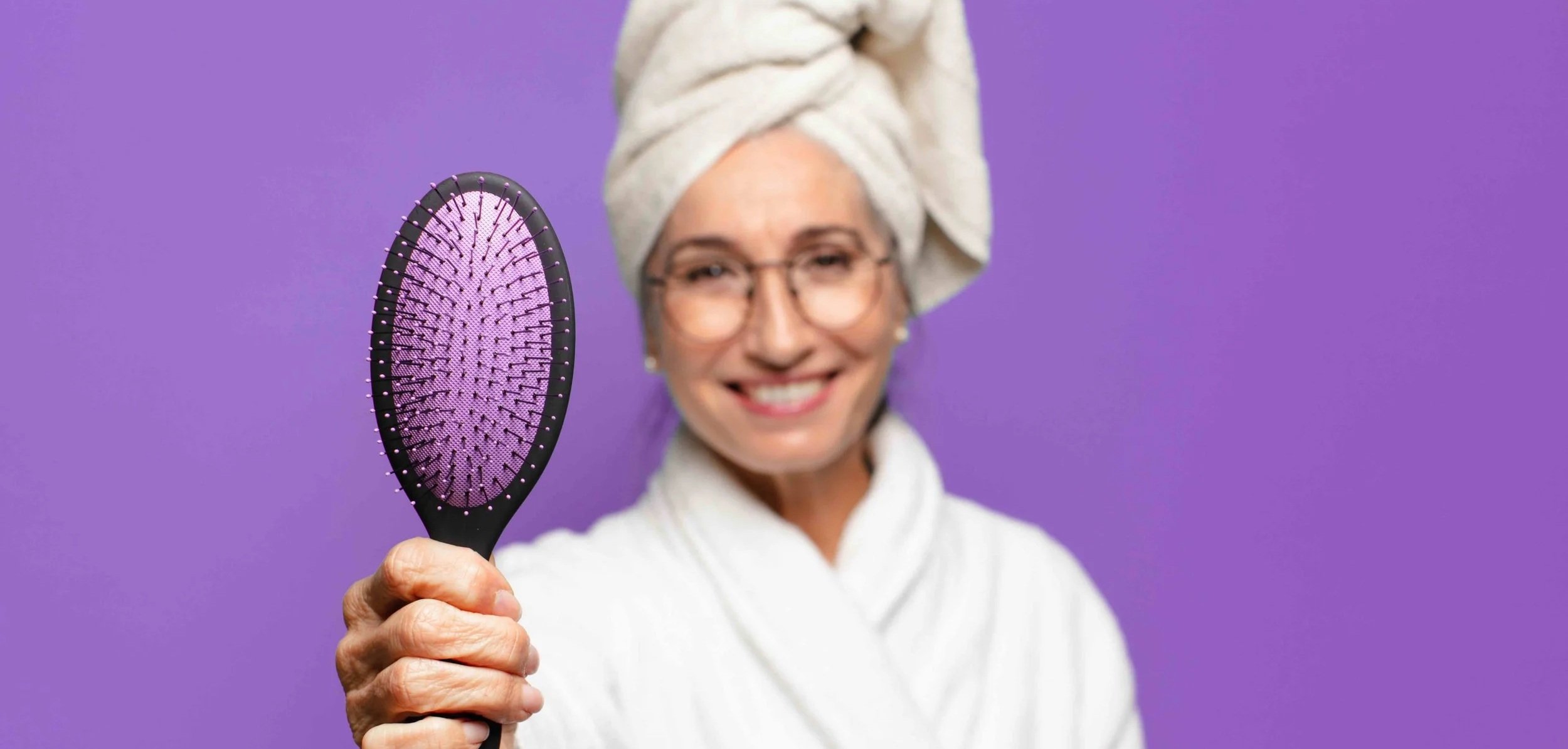
Pat hair dry rather than rubbing vigorously after washing; I’m a long-time fan of microfibre hair-drying towels or turbans which you just wrap round your hair and absorb much of the water
Use a brush with rounded, smooth prongs and don’t pull your hair back too tightly
Always apply a heat protective spray or serum before using a hairdryer.
And, for us, Philip Kingsley’s pre-shampoo deep conditioning treatment Elasticizer, which he first formulated for Audrey Hepburn, is simply the best. (About to order a giant lot now, and yes I do buy it for myself…) And there’s now Elasticizer Extreme Rich Deep-Conditioning Treatment for curls, coils and very porous hair. (Worth shopping around by the way for special offers.)
And finally, Anabel reminds us that diet is so important to hair growth. So, for your hair’s sake as well as everything else…
Eat nutritiously. Being a non-essential tissue, hair is the last part of us to receive nutrients and the first to be deprived. Even small vitamin and mineral deficiencies can impact hair growth, as can lack of complex carbohydrates, proteins and healthy fats. Have three balanced, colourful meals a day with a snack in-between.
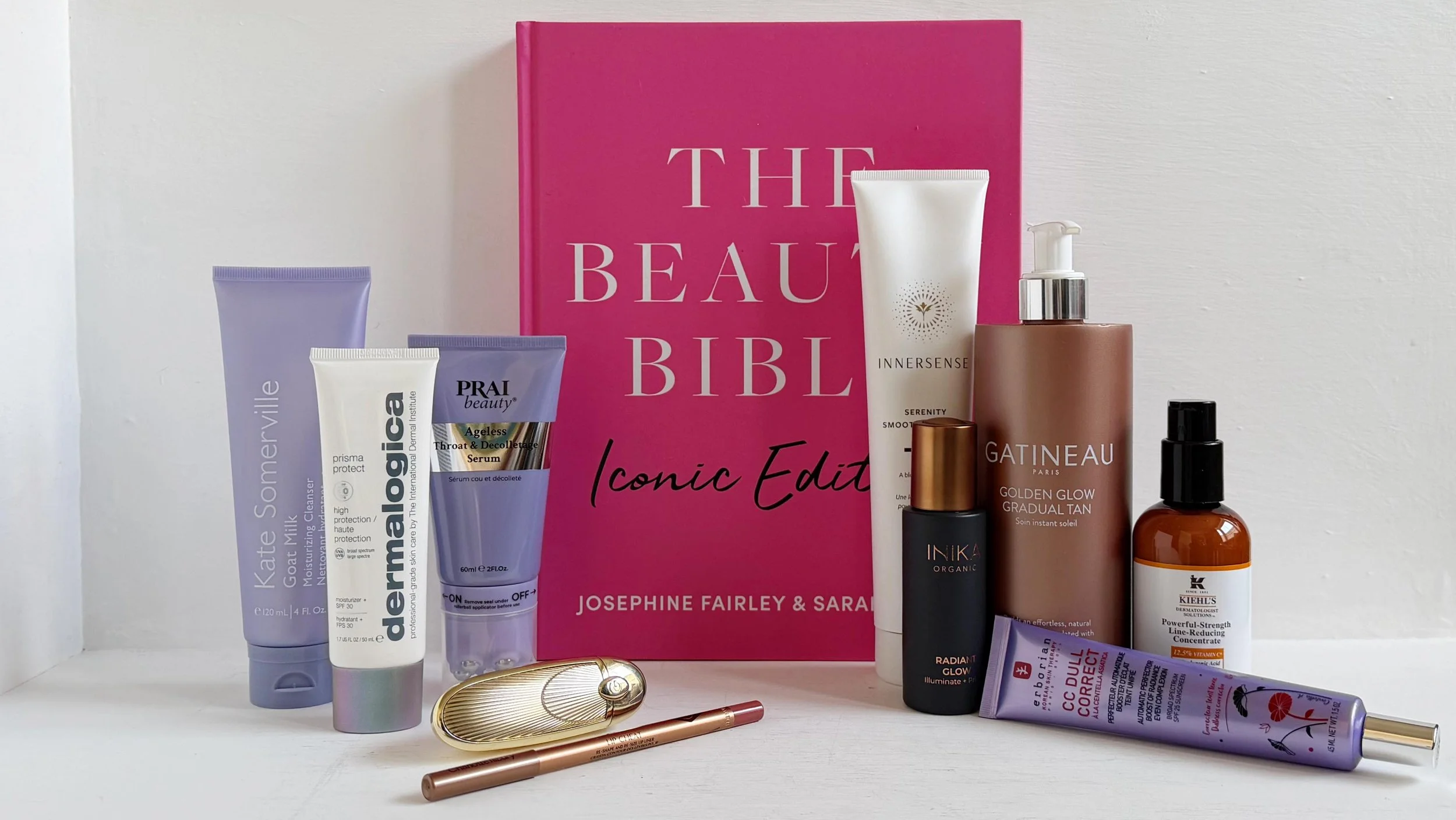
And our new book The Beauty Bible Iconic Edition, out this week, has lots of info on eating well, as well as on hair health. And there’s still just time to claim your discount for pre-ordering at Waterstones. Find out more here