
Sarah's Health Notes: Hay fever update (and warning: it's early!)
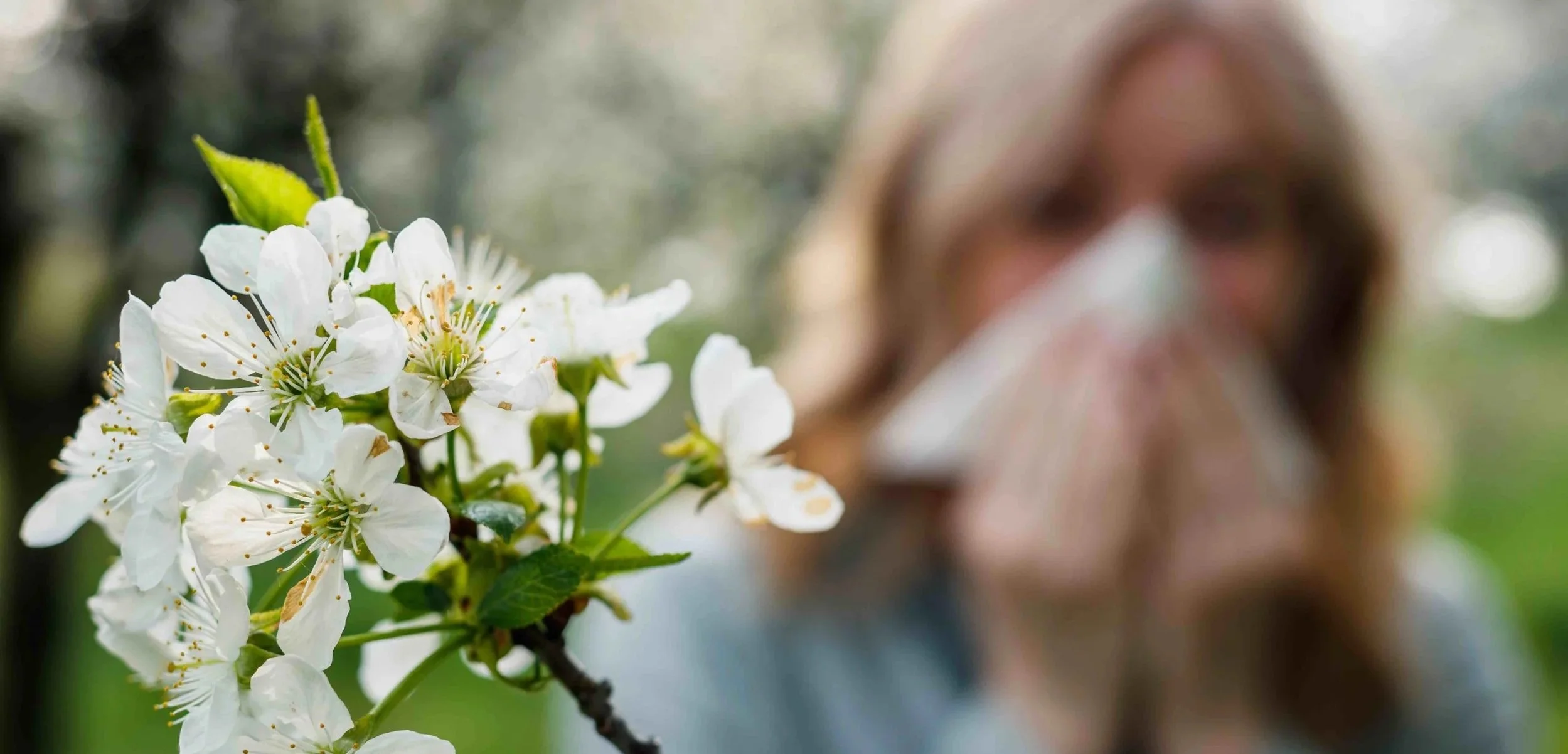
As a hay fever sufferer, I winced at the news reports that the season is starting early this year, according to experts. That’s before the Met Office launches its annual National Pollen Forecast, which usually starts in mid March when birch pollen, a potent allergen, starts. In fact, the Met Office website tells me firmly (though questionably): ‘We are currently out of pollen season’. However, the University of Worcester Pollen Forecast states clearly that, as I write, ‘Tree Pollen Count - High’.
Apparently it’s the weather conditions – weeks of rain followed by usually welcome days of warmth and dry – that have triggered a steep rise in tree pollen; not so much birch now as alder, with a side order of hazel (and I have a huge tree at the bottom of my garden), poplar, cypress, elm and yew (yep, lots in the churchyard opposite). So those dancing alder catkins may not be so welcome after all, as we start sneezing, snuffling, wheezing and rubbing our itchy, red, watery eyes. Sore throat, headaches and blocked ears are other key symptoms of allergic rhinitis, as hay fever is termed medically because the problem is due to our immune systems overreacting to airborne allergens. (Mould spores, house dust mites and pet dander can also set off the cascade of symptoms.)
Hay fever sufferers are allergic to different pollens; the Met Office says a quarter of us are affected by tree pollen. In London, the plane trees were a source of anguish to many of us. But the sneezles and the rest might be triggered by grasses, weeds, flowers or crops; the bright yellow fields of rape flowers can trigger a raft of problems, as I know all too well from riding across the countryside in the past.
So, what to do? As well as a list of practical Do’s and Don't’s that you can find on nhs.uk here, I’m following pharmacist Shabir Daya’s advice and taking Aller-DMG. Shabir has written an editorial on Hay Fever Relief, explaining that:
“For adults and children over 12 years, I would recommend the use of Food Science of Vermont Aller-DMG, take two tablets daily. Containing well researched nutrients, Aller-DMG works to regulate histamine levels in the body, improve respiratory function and ensure that the immune system does not over-react to allergens such as pollen thus helping to reduce the misery of the symptoms of hayfever. Aller-DMG is equally suitable for use against numerous other types of allergies including food intolerances, skin reactions and pet dander.”
My eyes always suffer so I keep eye drops with me at all times, such as A. Vogel Pollinosan Hayfever Eye Drops.
And finally, a spoonful of sugar – well, honey – to help the medicine go down. The late great immunologist Professor Jonathan Brostoff always recommended a dose of pure local honey. Because it contains trace amounts of local pollen, he believed it could act as a kind of natural immunotherapy, desensitising the immune system to the pollen. I used to ride off to a local beekeeper and come back with pockets weighed down with jars of delicious honey. I don’t have horses sadly now (all popped off at great ages to the Elysian fields) but we do have a purveyor of honey and the combs just up the road, so I’m off there tomorrow.